Your competitive edge
A competitor launches a familiar workflow. Is it independent development, shared functionality, or copied expression?
Reduced differentiation · suspected copyingAI-assisted reverse engineering is changing how software is examined and replicated. IP Defense helps companies understand their exposure, preserve critical evidence, and develop a defensible response.
Explore Our Approach01 / THE NEW REALITY
Source code is no longer the only starting point. Agent-assisted tools can help people inspect binaries, trace behavior, and connect the pieces.
Manually inspect instructions, trace calls, and form a hypothesis.
An agent coordinates analysis tools and helps explain observations.
A capability shift, not an accusation. REA connects coding agents to software inspection tools. It is an example of technical change, not evidence of wrongdoing. Rights, permissions, and evidence still determine an appropriate response.
Explore REA02 / THE COMMERCIAL STAKES
Know which concerns deserve action before uncertainty becomes an expensive distraction.
A competitor launches a familiar workflow. Is it independent development, shared functionality, or copied expression?
Reduced differentiation · suspected copyingA former contractor joins a competitor. Which information was secret, who had access, and what obligations applied?
Trade secrets · ownership disputesA concern surfaces months after release. Relevant logs have expired and no one documented the originals.
Evidence gaps · investigation costsHypothetical scenarios for illustration. No client matters or results are represented.
03 / KNOW THE BOUNDARIES
Software functionality and independently created alternatives are not automatically infringing. A sound response starts by identifying the actual right at issue.
Read the research & sourcesOriginal expression in software; not ideas, algorithms, or functionality alone.
Valuable confidential information protected by reasonable secrecy measures. Lawful reverse engineering is not, by itself, misappropriation.
Agreed rights and restrictions, subject to enforceability, applicable law, and exceptions.
Certain access-control circumvention may be restricted. Interoperability, research, and other exceptions require careful analysis.
Potential protection for claimed inventions where valid and applicable; a separate, claim-specific analysis is needed.
04 / THE SOFTWARE IP DEFENSE PROGRAM
A structured framework connecting technical investigation, evidence discipline, and questions for qualified counsel.
THE INVESTIGATION METHODOLOGY
Explore how an observation becomes an organized evidence set, and which questions require qualified legal review.
Illustrative method. No client results or software scan are represented.
Establish the release, provenance, and ownership records before comparing anything.
Map software assets, commercial exposure, ownership records, and the specific concern.
Define lawful collection, preserve originals, and document observations, alternatives, and limitations.
Bring findings to qualified counsel to evaluate contractual, negotiated, or litigation options.
A DEFINED SCOPE. A USEFUL OUTCOME.
One coordinated brief, an agreed evidence set, and documented milestones. Scope and fees confirmed before work begins.
*Legal advice and representation require qualified counsel, conflict clearance, and a separate engagement.
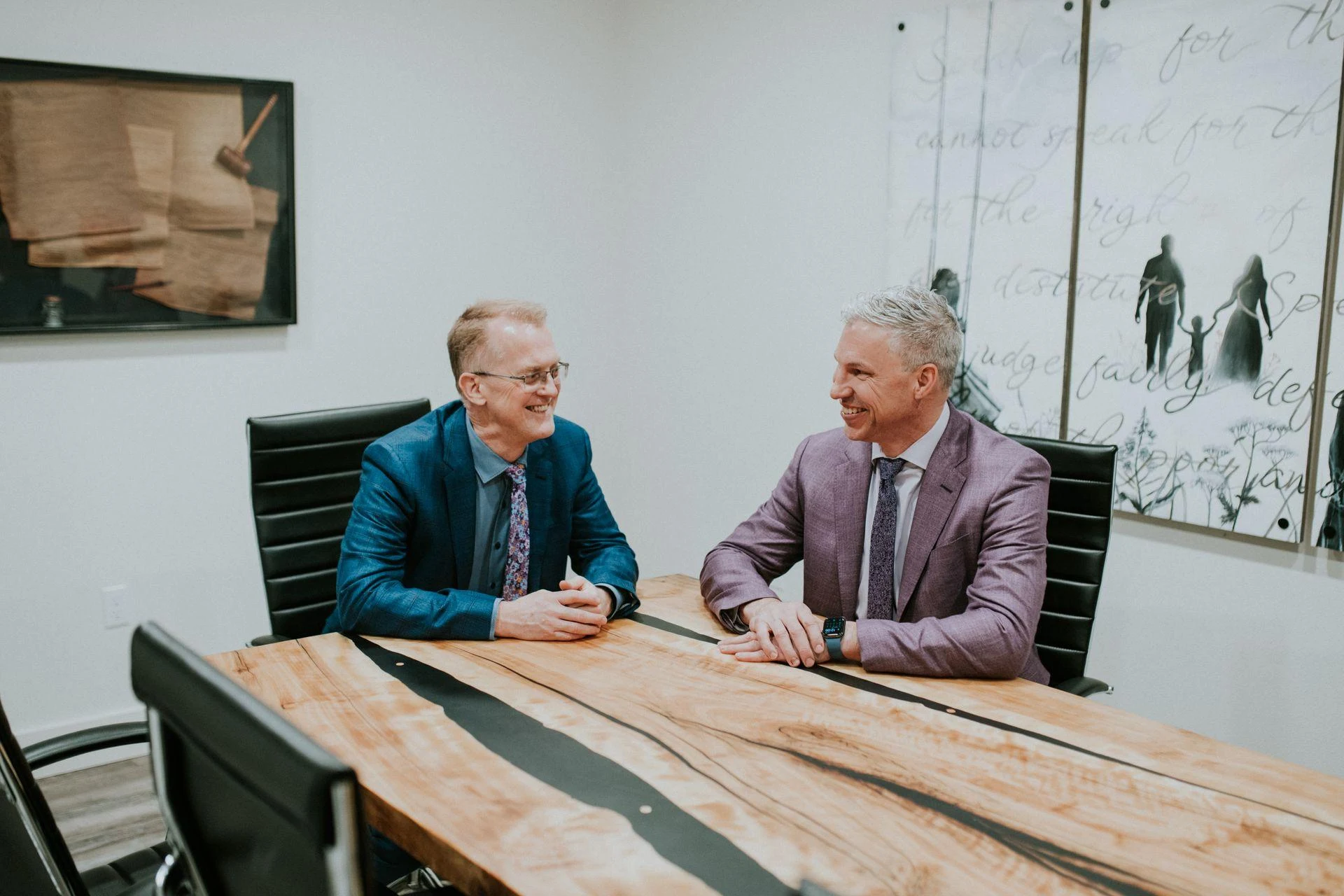 IP DEFENSE / THE PEOPLE BEHIND THE APPROACH
OUR EXPERTISE
IP Defense brings a focused approach to software IP: technical investigation, evidence readiness, and informed questions for qualified counsel.
Start with the software, the business context, and the concern. Define what can be established, what remains uncertain, and what a useful next step looks like.
Explore the programScope, responsibilities, and engagement terms are agreed before work begins.
ENGAGEMENT MODELS
Start with the question that matters. Agree the scope, responsibilities, and fees before work begins.
A defined starting point for a clearer picture.
No binary comparison, legal opinion, or litigation.
A focused plan for a specific IP concern.
No litigation, court filings, expert testimony, or unlimited analysis.
An ongoing cadence for IP readiness.
No 24/7 response, unlimited incidents, or litigation.
Begin with a business-fit review, followed by conflict screening and a written scope. Responsibilities and fees are agreed before work begins. Litigation is excluded; no payment is collected here.
06 / PROOF STARTS WITH THE METHOD
Review the method and a clearly labeled sample of what a useful finding should contain: observations, alternative explanations, evidence gaps, and a defined next step.
Open the sample findings brief07 / THE QUESTIONS THAT MATTER
General information, primarily from a U.S. perspective. Facts and jurisdiction matter.
Similar functionality alone does not establish infringement. A review would distinguish protected expression or confidential information from ideas, standard features, shared dependencies, and independent creation, then assess ownership, access, and evidence.
Sometimes binaries, interfaces, behavior, documentation, and release history provide useful observations. Missing source code can materially limit conclusions. An expert must define a lawful scope and record uncertainty; the exposure check itself performs no software analysis.
Original release artifacts, version-control history, ownership assignments, applicable licenses, access records, dated observations, and relevant communications may help. Preserve originals and consult counsel about retention and collection. Do not upload evidence through this website.
The process starts with qualification and conflict screening, an agreed scope and fee, an asset and rights inventory, an evidence plan, and an executive roadmap. Dates, professionals, and delivery commitments must be confirmed before engagement.
That is the intended model: technical findings and clearly framed questions for your counsel, with separate professional arrangements where needed. Attorney participation and availability have not yet been verified.
Only the written deliverables, assumptions, product count, and evidence boundaries agreed before work starts. Displayed prices are experimental. Litigation, court fees, expert testimony, and work outside the agreed scope require separate approval and fees.
Contact your existing counsel and incident-response team promptly. This website does not provide emergency response. Avoid changing potential evidence; seek qualified advice about preservation and any deadlines.
A useful investigation can rule out a concern. Findings should include contrary evidence, limitations, and lawful alternative explanations. Any recommended response should be proportionate; no claim or legal outcome is guaranteed.
A few questions. A preliminary snapshot.
A more informed next conversation.